

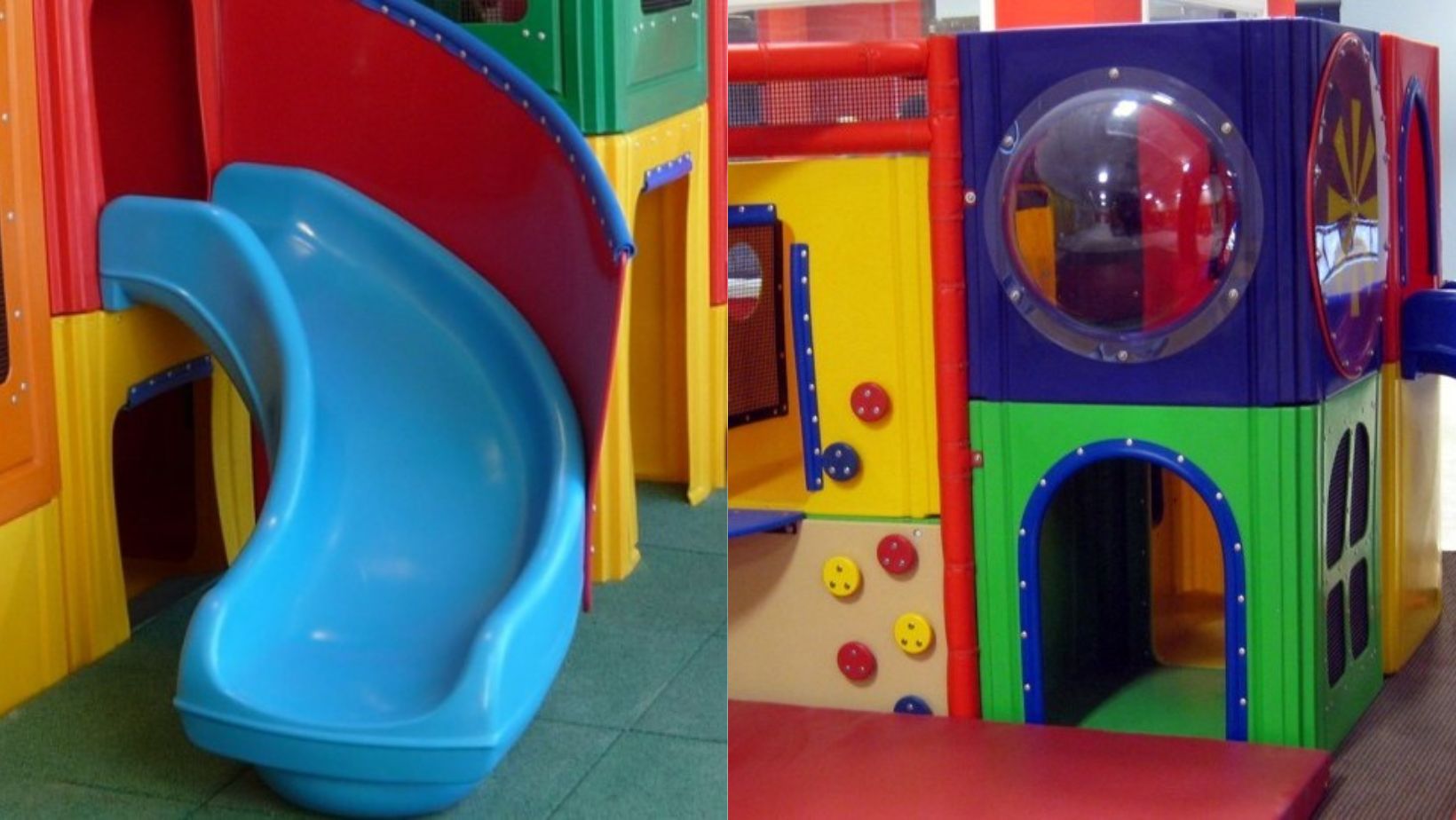
 Toddlers are busy little explorers. They climb before they fully understand height, run before they master stopping, and investigate every surface, tunnel, step, and slide they can reach. That is what makes toddler play so exciting, but it is also why designing an indoor playground for toddlers takes careful planning.
An indoor playground for toddlers should never feel like a scaled-down version of a play space for older kids. Toddlers need equipment, layouts, surfaces, and experiences that match their size, stage of development, and natural curiosity. The best toddler play areas feel fun and inviting while giving parents and caregivers confidence that the space was built with younger children in mind.
Why Toddler Playground Design Needs Special Attention
Toddlers are still building balance, coordination, confidence, and body awareness. A play feature that feels simple for a five-year-old may be too steep, too fast, or too overwhelming for a two-year-old. That is why toddler playground safety needs to guide the entire design process.
A thoughtful toddler play area gives young children room to move, test new skills, and explore at their own pace. It should support active play without creating unnecessary risk. When designed well, toddler spaces can encourage gross motor development, social interaction, problem-solving, sensory exploration, and independent confidence.
For indoor playground business owners, this matters beyond safety alone. Families notice when a toddler area feels intentional. Parents are more likely to return when the space is clean, easy to supervise, and appropriate for their child’s age and abilities.
Factors to Consider When Building a Toddler Play Area
Choose Age-Appropriate Toddler Play Equipment
Toddler play equipment should be designed for small bodies and developing motor skills. Lower platforms, gentle slides, crawl tunnels, ramps, soft climbers, and interactive panels are often better choices than tall structures or complex obstacle courses.
The goal is to create just enough challenge to keep toddlers engaged without making the space intimidating. A small climber can help a child build strength. A short slide can support confidence. A tunnel can encourage crawling, movement, and imaginative play.
Durability also matters. If the play area is part of a commercial indoor playground, the equipment needs to handle daily use. Look for materials that are strong, easy to clean, and suitable for a high-traffic family environment.
Prioritize Safety in Every Design Decision
Safety should be built into the space from the beginning, not added as an afterthought. Toddlers fall often, bump into things, and move unpredictably, so every detail matters.
Consider soft flooring, rounded edges, proper spacing between equipment, secure barriers, and clear sightlines. Avoid equipment with steep drops, small loose pieces, or areas where children can easily collide. If the facility also includes play areas for older children, the toddler area should be clearly separated.
Supervision is another major part of toddler playground safety. Parents and caregivers should be able to see children throughout the play space without constantly moving around barriers or blind corners.
Create a Layout That Supports Easy Movement
A toddler playground layout should feel open, simple, and easy to understand. Too many features packed into one area can make the space feel crowded and harder to supervise.
Plan for natural movement between activities. Toddlers should be able to crawl, climb, slide, and explore without crossing high-traffic paths or bumping into older children. Wider walkways can also make it easier for caregivers to help younger toddlers when needed.
It can help to create small zones within the toddler area, such as active play, quiet play, sensory play, and caregiver seating nearby. This keeps the space organized while giving children different ways to engage.
Include Sensory and Imaginative Play Opportunities
Toddlers learn through their senses. They touch, listen, look, move, and repeat the same activity again and again as they figure out how the world works. That makes sensory play a valuable part of indoor playground design.
Textured panels, mirrors, bright shapes, activity walls, soft building blocks, and simple pretend play features can add depth to the space. These elements support curiosity, creativity, fine motor skills, and early problem-solving.
Imaginative play also helps make the playground more memorable. A tunnel can become a cave. A small playhouse can become a shop, home, or castle. These details encourage children to return to the same features in new ways.
Think About Parent and Caregiver Comfort
A toddler play area is not only for toddlers. Parents, grandparents, and caregivers are part of the experience too. If adults feel uncomfortable, disconnected, or unable to supervise properly, they may not stay as long or return as often.
Comfortable seating, clear visibility, stroller-friendly pathways, accessible washrooms, and nearby changing areas can all improve the family experience. Seating should be close enough for supervision but not placed where it interrupts play.
For an indoor playground business, caregiver comfort can directly impact customer satisfaction. A well-designed space helps families relax, enjoy the visit, and feel confident bringing their child back.
Make Cleaning and Maintenance Part of the Plan
Toddler areas need to be easy to clean. Young children crawl, touch surfaces, put hands near their mouths, and often play close to the floor. Because of that, cleaning and maintenance should influence material choices and layout decisions.
Smooth plastic components, wipeable surfaces, accessible corners, and durable flooring can make daily cleaning more manageable. Avoid overly complicated designs with too many hidden spaces where dirt and debris can collect.
A clean toddler play area builds trust. Parents may not notice every design detail, but they will notice if a space feels fresh, cared for, and well maintained.
Design for Developmental Value, Not Just Entertainment
A strong indoor playground for toddlers should be fun, but it should also support meaningful development. Each feature can serve a purpose.
Low climbers support coordination and strength. Ramps help with balance. Crawl spaces encourage movement and confidence. Interactive activity panels can support fine motor skills, focus, and problem-solving. Open play areas give children space to move freely and practice social skills.
When the playground supports development, it becomes more valuable to families. Parents are not just paying for playtime. They are choosing a space where their child can move, grow, explore, and build confidence.
Plan for Growth, Capacity, and Long-Term Use
Before choosing equipment, think about how the space will function over time. How many toddlers will use it at once? Will the facility serve only toddlers, or will there be zones for preschoolers and older children too? Could the toddler area be expanded later?
Planning ahead can help you avoid overcrowding and make future updates easier. Modular features, flexible layouts, and durable indoor playground equipment can help the space adapt as the business grows.
Long-term value matters. Choosing quality components from the start can reduce maintenance issues and help create a more consistent experience for families.
Work With the Right Indoor Playground Equipment Supplier
The right supplier can make the planning process much easier. When building an indoor playground for toddlers, look for a team that understands toddler play needs, commercial durability, safety-focused design, and practical layout planning.
SPI Plastics provides indoor playground equipment and components designed for engaging, high-use play environments. From slides and climbers to custom play components, the right equipment can help bring your toddler play area to life while supporting long-term performance.
Building a Toddler Playground That Families Want to Revisit
Creating a toddler play area takes more than choosing colourful equipment. The space needs to feel safe, clean, engaging, and easy for families to use. When you balance toddler playground safety, age-appropriate equipment, thoughtful layout, sensory play, caregiver comfort, and long-term durability, you create a play environment that supports both children and business goals.
If you are planning an indoor playground for toddlers, SPI Plastics can help you choose durable, engaging indoor playground equipment built for commercial play spaces.
Contact SPI Plastics today to learn more about equipment options for your indoor playground project.
FAQS
What Should Be Included in an Indoor Playground for Toddlers?
An indoor playground for toddlers should include low slides, soft climbers, crawl tunnels, ramps, sensory panels, open play space, and comfortable caregiver seating nearby.
How Do You Design an Indoor Playground for Toddlers?
Start with safety, age-appropriate equipment, clear sightlines, soft surfaces, simple traffic flow, and separate zones for active, sensory, and quiet play.
Why Should Toddlers Have a Separate Play Area?
Toddlers need a separate play area because they move differently than older children and require equipment suited to their size, balance, and coordination.
What Equipment Is Best for Toddler Play Areas?
The best toddler play equipment includes low-height climbers, small slides, tunnels, ramps, soft play pieces, and interactive activity panels.
How Can Indoor Playgrounds Support Toddler Development?
Indoor playgrounds support toddler development by encouraging climbing, crawling, balancing, sensory exploration, early social interaction, and confidence-building movement.