

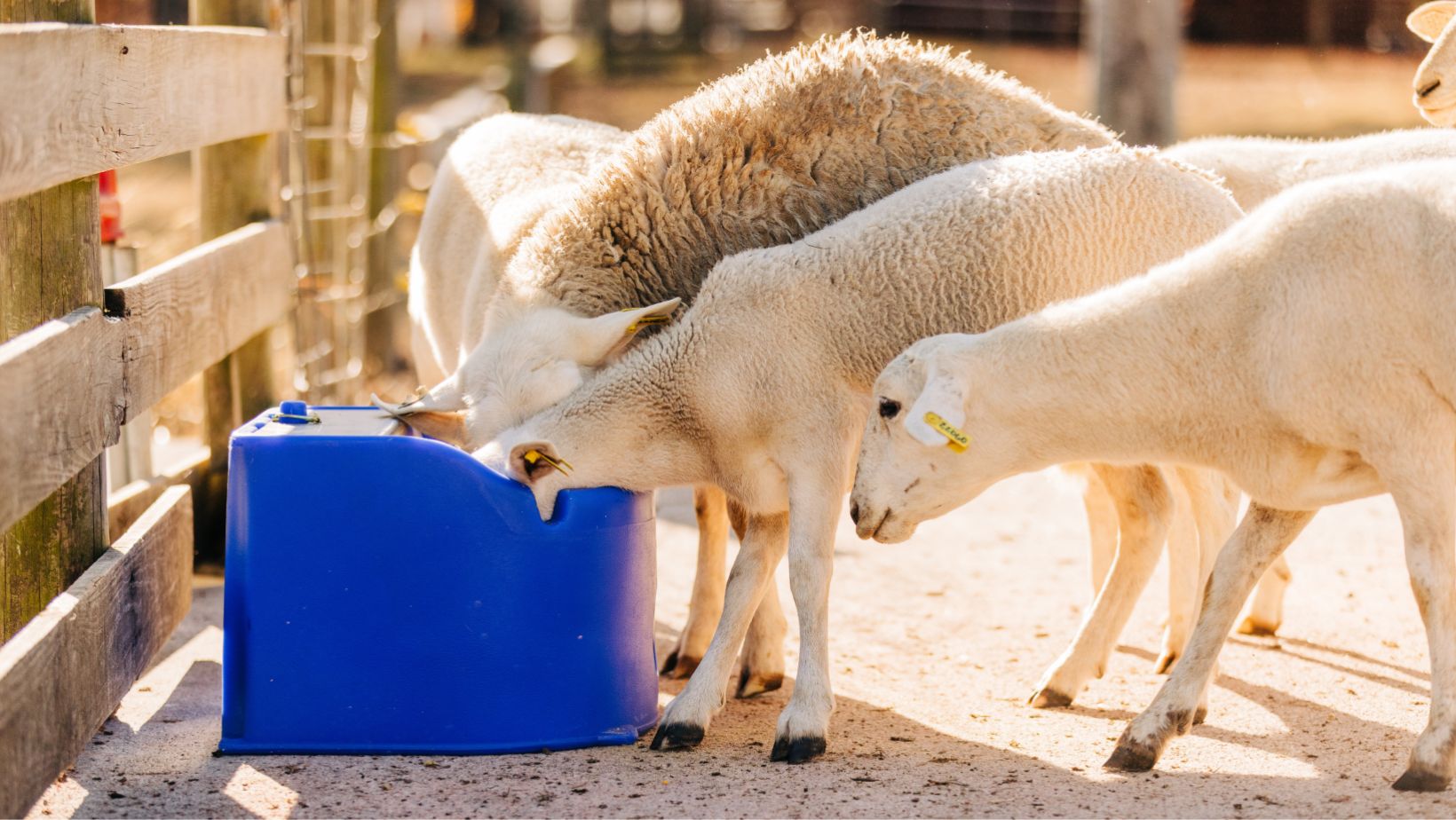
Choosing a waterer that suits your herd is important, but choosing where to put it deserves just as much thought. A unit installed in the wrong location can contribute to crowding, muddy ground and inconvenient maintenance, even when the waterer itself is properly sized.
Good livestock waterer placement balances animal access with the practical needs of your farm. The unit should be easy for livestock to reach, close enough to the necessary utilities and positioned where it can be cleaned, inspected and repaired without disrupting daily operations.
So, where should you put it? The best location has firm, well-drained ground, dependable water service and enough surrounding space for animals to approach and leave comfortably. The specific answer will depend on your herd, property layout, climate and waterer model.
Start With the Needs of Your Livestock
Before looking at plumbing or electrical connections, think about the animals that will use the waterer.
Herd size is one of the first considerations. The area around the unit needs enough room to accommodate normal drinking patterns without forcing animals into a narrow approach. If too many animals gather in one place, dominant livestock may prevent smaller or more timid animals from drinking comfortably.
The type of livestock matters as well. Beef cattle, dairy cattle, horses and other farm animals have different drinking heights and behaviours. Water requirements can also change with animal size, feed, production level and temperature.
Observe how your animals already move through the property. A convenient cattle waterer location may be near a route between feeding, resting and grazing areas. Avoid dead ends and tight corners where animals could become trapped or have difficulty moving away.
Planning for future growth is also worthwhile. A location that works for the current herd could become crowded if animal numbers increase or the farm layout changes.
Choose a Location With the Necessary Utilities
An automatic livestock waterer needs a reliable connection to a pressurized water supply. Before settling on a location, confirm that the available pressure and flow rate can refill the basin quickly enough during periods of heavy use.
The farther the waterer is located from the water source, the more planning may be required for supply lines. Pipe size, burial depth and protection against freezing can all affect performance. A shutoff valve should also be installed somewhere accessible so the unit can be serviced without shutting down water to a larger section of the farm.
Some models require electricity for heating or other components. An electric unit should be installed near a suitable power source using connections that meet applicable electrical requirements. Cords, wiring and controls must be protected against moisture, livestock and farm equipment.
Energy free models don’t use electricity to heat the water, but they still require proper site preparation, insulation and connection to the water supply. Always follow the installation instructions for the specific model.
Provide Firm Ground and Effective Drainage
Watering areas receive a lot of traffic. Hooves repeatedly moving across wet ground can quickly create mud, ruts and standing water.
The best place to install a livestock waterer is generally a level, stable area with effective drainage. Depending on the site and installation requirements, that may involve a concrete pad, a compacted base or another durable surface.
Grading should direct spilled water, rain and melting snow away from the unit. Avoid low points where water naturally collects. Standing water can make the area harder to use, increase cleaning demands and create slippery conditions.
Drainage should also lead away from feed storage, barn entrances, wells, manure storage and natural watercourses. Local building, electrical and environmental requirements should be reviewed before work begins.
Placing a Waterer in a Barn
Inside a barn, the watering point should be easy to reach without interfering with feeding, manure handling or equipment routes. Placing it directly beside a gate, narrow alley or busy entrance can create congestion.
Look for a location with enough clearance for animals to stand and drink while others pass behind them. Staff should also be able to reach the drain, valve and internal components without entering a confined space or moving other equipment.
Water lines and electrical connections need protection against livestock and machinery. Think about how the barn is cleaned and where wash water or spilled water will travel.
Placing a Waterer in a Pasture
Good pasture waterer placement starts with the way livestock use the land. A central location may reduce travel across a large pasture, but it could require longer utility lines. A fence line installation may be easier to access and could allow one unit to serve adjoining pens or paddocks when the system is designed for it.
For rotational grazing, consider how livestock will reach water as they move between paddocks. The watering point should not force animals to cross erosion-prone ground or gather in environmentally sensitive areas.
You will also need access for inspections, cleaning and repairs. A location that seems convenient during dry summer weather may be difficult to reach after heavy rain or spring thaw.
Consider Conditions Throughout the Year
The right location needs to work in every season.
In cold climates, water lines must be protected against frost, and the unit should remain accessible after heavy snowfall. Avoid areas where drifting snow regularly collects or where snow-clearing equipment could damage the waterer.
Shade can help protect the watering area from direct sun during hot weather, but it should not come at the expense of drainage or safety. Be cautious about installing beneath damaged trees or branches that could fall onto the unit. Leaves and other debris may also increase cleaning demands.
Leave Room for Cleaning and Maintenance
Even a low-maintenance waterer still needs regular inspection and cleaning. Leave enough space to remove covers, reach valves, use tools and drain the basin properly.
The water shutoff should be easy to find and operate. If a service vehicle may occasionally need to reach the area, account for gates, turning space and seasonal ground conditions.
Convenient maintenance access makes it easier to address small concerns before they interfere with the herd’s water supply.
Common Livestock Waterer Placement Mistakes
Problems often begin when the location is chosen based only on the shortest connection to water or electricity. Other mistakes include:
- Installing the unit in a low or poorly drained area
- Creating a narrow approach that encourages crowding
- Failing to account for future herd growth
- Placing the waterer in the path of machinery
- Forgetting about cleaning and repair access
- Ignoring snow, frost and spring drainage
- Installing too close to possible contamination sources
Taking time to evaluate the complete site can prevent expensive changes later.
Plan Your Livestock Waterer Installation Carefully
The right placement helps livestock reach water comfortably while making cleaning, monitoring and maintenance easier for the farmer. Before installation begins, consider animal movement, utilities, drainage, seasonal conditions and access to the unit.
SPI Plastics manufactures durable polyethylene livestock waterers for beef cattle, dairy cattle, horses and other farm animals. If you are selecting a model or have questions about them, contact SPI Plastics to discuss your farm’s watering needs.