
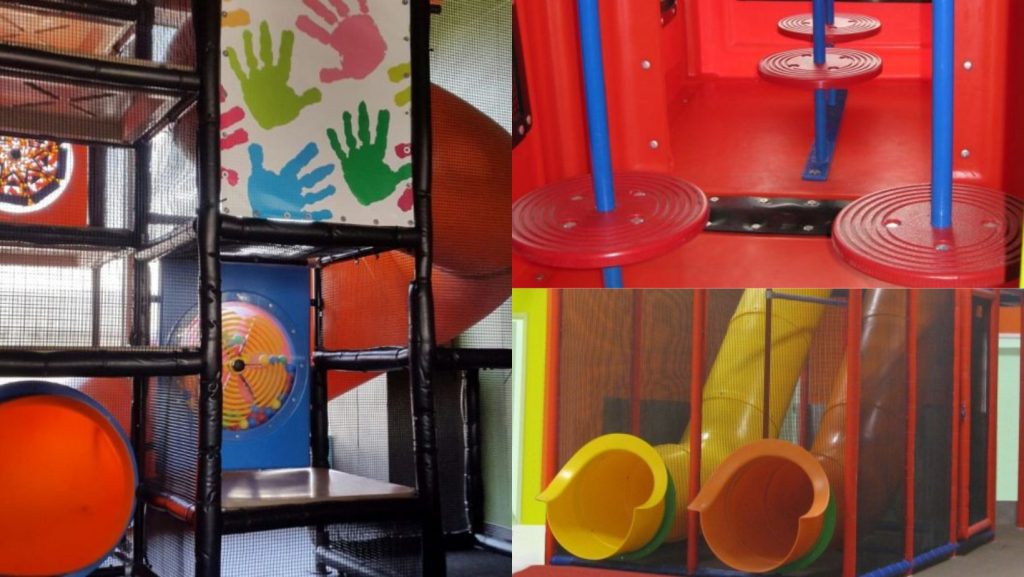
Running a successful indoor playground means constantly balancing fun, safety, and profitability. As your business grows, there often comes a moment when the current setup no longer supports demand, guest expectations, or long-term goals. Knowing when to expand or upgrade your indoor playground can make the difference between sustained growth and missed opportunities.
This guide walks through the practical signs, financial indicators, and operational considerations that help indoor playground owners decide when it’s time to invest in their next phase.
Signs Your Indoor Playground Has Outgrown Its Current Setup
One of the clearest indicators that change is needed comes from day-to-day operations. If your team is frequently managing waitlists, turning away party bookings, or dealing with congested play zones, your space may be working against you.
Common signs include:
- Consistent capacity issues during peak hours
- Birthday parties and group events booking weeks in advance
- Equipment showing visible wear despite regular maintenance
- Customers asking for new features or age-specific play areas
- Limited ability to separate toddlers from older children
These signals often mean your playground is successful — but also that it may be time to evolve.
Expanding vs Upgrading: What’s the Difference
Although the terms are often used interchangeably, expanding and upgrading serve different purposes.
Upgrading typically focuses on improving what already exists. This can include replacing aging equipment, modernizing layouts, improving safety features, or adding modular elements that enhance play value without increasing square footage.
Expanding usually involves increasing the size of your facility, adding new zones, or opening additional locations. Expansion is often driven by sustained demand that cannot be met within your current footprint.
For many businesses, upgrading is a strategic first step that extends the life of the facility while preparing for future expansion.
Revenue Indicators That Signal It’s Time to Invest
Financial performance plays a critical role in deciding when to move forward. Expansion or upgrades are most effective when they’re backed by consistent revenue rather than short-term spikes.
Positive indicators include:
- Steady month-over-month revenue
- High repeat visitation rates
- Strong performance from birthday parties and group bookings
- Clear opportunities to introduce new pricing tiers or attractions
- Data showing guests staying longer or spending more per visit
If demand is strong and predictable, reinvesting in your space can unlock additional earning potential.
Operational and Safety Factors to Consider
Beyond revenue, operational efficiency and safety should guide upgrade decisions. Older equipment may still function but can become more expensive to maintain and harder to keep compliant with evolving safety standards.
Owners often consider upgrades when:
- Maintenance costs are increasing year over year
- Equipment no longer aligns with current safety expectations
- Sightlines for staff supervision are limited
- Traffic flow creates bottlenecks or safety concerns
- Accessibility needs are not fully met
Improving these areas can reduce risk while creating a smoother, more enjoyable experience for families.
Popular Upgrade Options for Growing Indoor Playgrounds
Upgrading doesn’t always mean starting from scratch. Many indoor playgrounds benefit from targeted improvements that refresh the space and increase capacity.
Popular playground equipment options include:
- Adding dedicated toddler or soft play zones
- Introducing ninja courses, climbing elements, or interactive features
- Reconfiguring layouts to improve circulation and visibility
- Replacing older components with durable, modern materials
- Using modular systems that allow future expansion
These updates keep your playground feeling new while minimizing downtime.
When Expansion Makes More Sense Than an Upgrade
In some cases, upgrading alone isn’t enough. Expansion may be the better choice when physical limitations prevent meaningful improvement.
Expansion is often the right move when:
- Your space cannot safely handle current traffic levels
- Demand exists from age groups you cannot accommodate
- Adjacent space becomes available for lease
- Your brand has outgrown a single location
- Market demand supports a second or larger facility
Expanding allows you to scale your business without compromising guest experience.
Budgeting and Planning for Expansion or Upgrades
Successful upgrades and expansions start with realistic planning. Timing matters just as much as budget.
Best practices include:
- Planning projects around slower seasons
- Working with experienced equipment providers early
- Understanding expected return on investment
- Building flexibility into designs for future growth
- Avoiding rushed decisions driven by short-term demand
Thoughtful planning ensures improvements support long-term goals rather than creating new challenges.
Conclusion
Expanding or upgrading your indoor playground is a sign of success, but timing and execution are key. By watching operational signals, evaluating financial performance, and planning strategically, owners can make confident decisions that support long-term growth.
Whether you’re refreshing an existing space or preparing for your next phase, investing thoughtfully ensures your playground continues to attract families, operate safely, and remain competitive.
Ready to Upgrade Your Indoor Playground Equipment?
If you’re considering an upgrade to your indoor playground equipment, SPI Plastics offers durable, scalable solutions designed to grow with your business. Our team works with indoor playground owners to plan thoughtful upgrades that enhance safety, improve play value, and support long-term success.
Contact SPI Plastics to discuss how upgrading your indoor playground equipment can help you take the next step forward.