

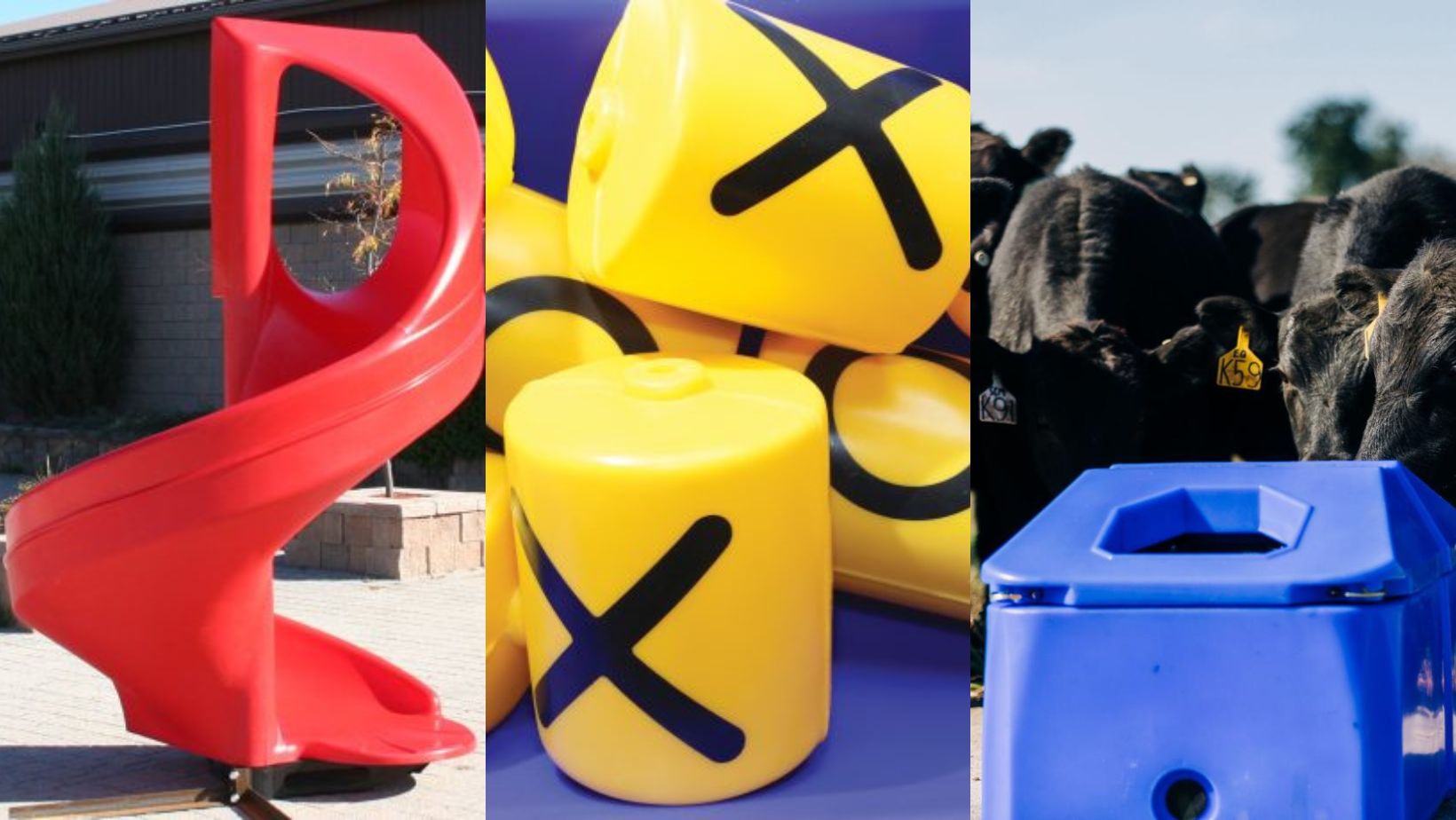
When a plastic product needs to be strong, hollow, durable, and built for real use, the manufacturing process matters. Some products need to handle outdoor conditions. Others need to hold liquid, protect equipment, support repeated handling, or be made in a custom shape that would be difficult to create with other methods.
That is why many products made with rotational molding are found in industries like agriculture, recreation, playground equipment, marine, transportation, storage, and industrial manufacturing. Rotational molding is often used when a company needs a practical way to create large or complex plastic parts without unnecessary seams, joints, or assembly steps.
If you are planning a new product or comparing plastic manufacturing options, it helps to understand what this process does well and where it fits best.
What Makes A Product A Good Fit For Rotational Molding
Rotational molding, also called rotomolding, is especially useful for hollow plastic parts. The process uses a mold, heat, and rotation to form plastic evenly along the inside of the mold. This allows manufacturers to create strong, seamless parts in a wide range of shapes and sizes.
A product may be a good fit for rotational molding if it needs:
- A hollow or partially hollow design, such as a tank, bin, container, float, or equipment housing
- Durability for regular use, especially in commercial, industrial, recreational, or outdoor settings
- Weather resistance, including exposure to sunlight, moisture, temperature changes, or other outdoor conditions
- Impact resistance, especially if the product will be moved often, handled roughly, or used in demanding environments
- One-piece construction, which can help reduce seams, joints, leaks, and assembly steps
- Design flexibility, including larger shapes, curves, rounded edges, or custom product features
- Molded-in details, such as handles, threads, inserts, logos, textures, or mounting points
- A practical tooling investment, especially for custom plastic products or lower to medium production volumes
The best products for rotational molding are usually larger plastic parts that need strength, flexibility, and dependable performance over time. It’s not the right fit for every product, but for the right application, it can be a practical and reliable manufacturing choice.
Plastic Tanks And Storage Containers
Tanks and containers are some of the most common products made through rotomolding. This includes water tanks, chemical tanks, fuel tanks, agricultural tanks, storage containers, material handling bins, and waste containers.
This process works well for these products because it can create hollow parts with fewer weak points. A seamless tank or container can help reduce the risk of leaks, which is especially important when the product is designed to hold liquid, feed, chemicals, or other materials.
Rotational molding also allows tanks and containers to be made in different sizes and shapes. That flexibility is helpful for companies that need a product to fit specific equipment, vehicles, storage areas, or facility layouts. Material selection is important here, especially when the final product needs to handle chemicals, outdoor exposure, or food-safe applications.
Playground And Recreational Products
Playground and recreational products need to do more than look good. They need to be durable, comfortable to use, weather resistant, and designed with the end user in mind. Rotational molding can support rounded edges, smooth shapes, bright colours, and one-piece construction, which makes it a strong fit for many recreation-based products.
Common examples include playground panels, slides, climbing features, ride-on toys, kayaks, canoes, coolers, outdoor furniture, and sports equipment. These products often face frequent use, changing weather, UV exposure, and rough handling, so durability matters.
For playground equipment especially, design decisions can affect safety, maintenance, appearance, and the overall experience. A well-made rotomolded product can support long-term use while still giving designers flexibility with shape, colour, and style.
Industrial And Commercial Products
Many industrial and commercial products are built for demanding environments. They may be moved often, cleaned frequently, exposed to impact, or used as part of daily operations. Rotational molding is a strong choice for products that need to be tough without becoming overly complicated to manufacture.
Examples include industrial bins, material handling carts, equipment housings, machine guards, storage cases, utility carts, road barriers, pallets, and trays. These products often need to be practical first. They need to hold up, be easy to use, and perform consistently.
One advantage of rotomolding is that it can reduce the need for multiple assembled pieces. Instead of building a product with several joined parts, manufacturers may be able to create a single molded component. This can improve durability, simplify cleaning, and reduce potential failure points.
Agricultural And Outdoor Products
Agricultural and outdoor products often face hard use. They may sit in the sun, collect dirt, hold water, move across rough surfaces, or be used around animals, tools, and equipment. Rotational molding works well for many of these applications because it can create durable plastic products that handle moisture and outdoor conditions.
Common examples include feeders, water troughs, sprayer tanks, agricultural tanks, livestock products, planters, compost bins, and outdoor storage boxes. These products often need practical shapes, strong walls, and surfaces that are relatively easy to clean.
For products exposed to sunlight, UV-stabilized materials may be recommended. This is where working with an experienced rotational molding services provider can make a difference. The right material, wall thickness, and design choices can help improve product performance over time.
Automotive Marine And Transportation Products
Transportation-related products often need a balance of strength, shape flexibility, and manageable weight. Rotational molding can be useful for parts that need to fit around other components or function in spaces where a simple flat or solid part would not work.
Examples include fuel tanks, fluid reservoirs, storage compartments, marine floats, boat parts, fenders, and ATV or utility vehicle components. Because rotomolding supports complex hollow shapes, it can help create parts that fit specific equipment or performance needs.
Marine and transportation products may also benefit from corrosion resistance and impact resistance, depending on the material used. For businesses that need custom components, this process can provide a practical path from concept to production.
Custom Plastic Products And Specialty Parts
Not every rotomolded product fits into a standard category. Many companies use rotational molding because they need something specific to their product, industry, or customer experience.
This could include branded bins, protective cases, specialty containers, display products, medical or laboratory products, equipment covers, or prototype plastic parts. The process gives designers room to think beyond basic shapes and explore custom features that support how the product will actually be used.
For local manufacturers, product developers, and businesses that want closer collaboration, working with a nearby or regional rotational molding company can also make communication easier. Design reviews, prototyping discussions, material planning, and production adjustments are often smoother when the manufacturing partner understands the product goals from the start.
Products That May Not Be The Best Fit
Rotational molding is versatile, but it is not the right choice for every plastic product. Very small parts, highly detailed components, thin-walled items produced in very high volumes, or parts that require extremely tight tolerances may be better suited to another plastic manufacturing process.
Injection molding, blow molding, thermoforming, or plastic fabrication may be more appropriate depending on the product design, budget, production volume, and performance requirements.
A trustworthy manufacturing partner should help you decide whether rotomolding is the right fit instead of trying to force the process onto every project. That honest guidance can save time, reduce development issues, and lead to a stronger final product.
Build A Better Plastic Product With The Right Manufacturing Partner
The best rotational molded products are designed with the final use in mind. Tanks, containers, playground equipment, recreational products, agricultural tools, industrial bins, marine parts, and custom plastic components all have different requirements, but they share one thing in common. They need to be built with purpose.
If you are developing a new plastic product or want to find out whether rotational molding is the right manufacturing process for your application, contact our team. We can review your goals, discuss design options, and help you create a durable custom plastic solution built for long-term use.