

 Starting a hobby farm or raising livestock for the first time often comes with a steep learning curve. Most new owners spend time researching breeds, building shelters, and setting up fencing. Those are important steps, but they’re also the most obvious ones.
What tends to get less attention are the systems that quietly support everything else—water access, farm layout planning, and how your setup holds up through changing seasons. These are the parts of livestock care that don’t always stand out at first, but they quickly become the difference between a setup that runs smoothly and one that constantly needs fixing.
Understanding what tends to be overlooked early on helps you build a more efficient, lower-maintenance setup from the start.
Quick Answer
New livestock owners often overlook:
- Consistent access to clean, reliable water
- Proper feed planning and consistent nutrition routines
- Shelter design, including ventilation, drainage, and seasonal protection
- Farm layout and how it affects movement, access, and daily efficiency
- Seasonal and regional challenges based on climate
- The need for regular maintenance and upkeep
- Planning for future growth and scalability
Addressing these areas early helps reduce daily workload and supports better livestock health.
Overlooking Feed Planning and Nutrition
Feed is usually one of the first things new livestock owners think about, but planning often stops at choosing the type of feed rather than how it’s managed day to day.
Livestock don’t just need the right feed—they need consistency. Sudden changes in diet, irregular feeding times, or poor-quality storage can all affect digestion and overall health. These issues don’t always show up immediately, which is why they’re easy to miss early on.
Some of the most common gaps include:
- Switching feed too quickly without a gradual transition
- Not adjusting portions based on season or activity level
- Overlooking access to minerals or salt
- Underestimating how feed type affects water intake
Feeding routines should be predictable and suited to the type of livestock you’re raising. As your operation grows, having a clear system in place makes it easier to maintain consistency without adding extra work.
Underestimating Daily Water Needs and Proper Water Care
Water is one of the most important resources on any farm, yet it’s often treated as an afterthought. Many new livestock owners assume that as long as water is available, that’s enough. In reality, how water is delivered, maintained, and accessed matters just as much as having it there.
Livestock water intake isn’t fixed. It changes based on:
- Species and size of the animal
- Type of feed being consumed
- Weather and temperature
- Production stage, such as growth or lactation
For example, animals on dry feed will drink more, and intake can increase significantly during hot weather. Lactating animals also require much higher volumes to maintain production.
When water access is inconsistent or poorly managed, the effects often show up gradually:
- Reduced appetite or slower feed intake
- Lower weight gain or production
- Increased stress or competition among animals
At the same time, maintaining clean water can become more demanding than expected. Basic troughs or manual systems often lead to:
- Water freezing in winter
- Algae and bacteria buildup in warmer months
- Contamination from debris or animals
- Frequent refilling and cleaning
As herd size grows, these small tasks add up quickly. That’s why water systems should be planned just as carefully as feed and shelter—not just for access, but for consistency and ease of maintenance.
Why Many Are Moving Toward Automatic Livestock Waterers
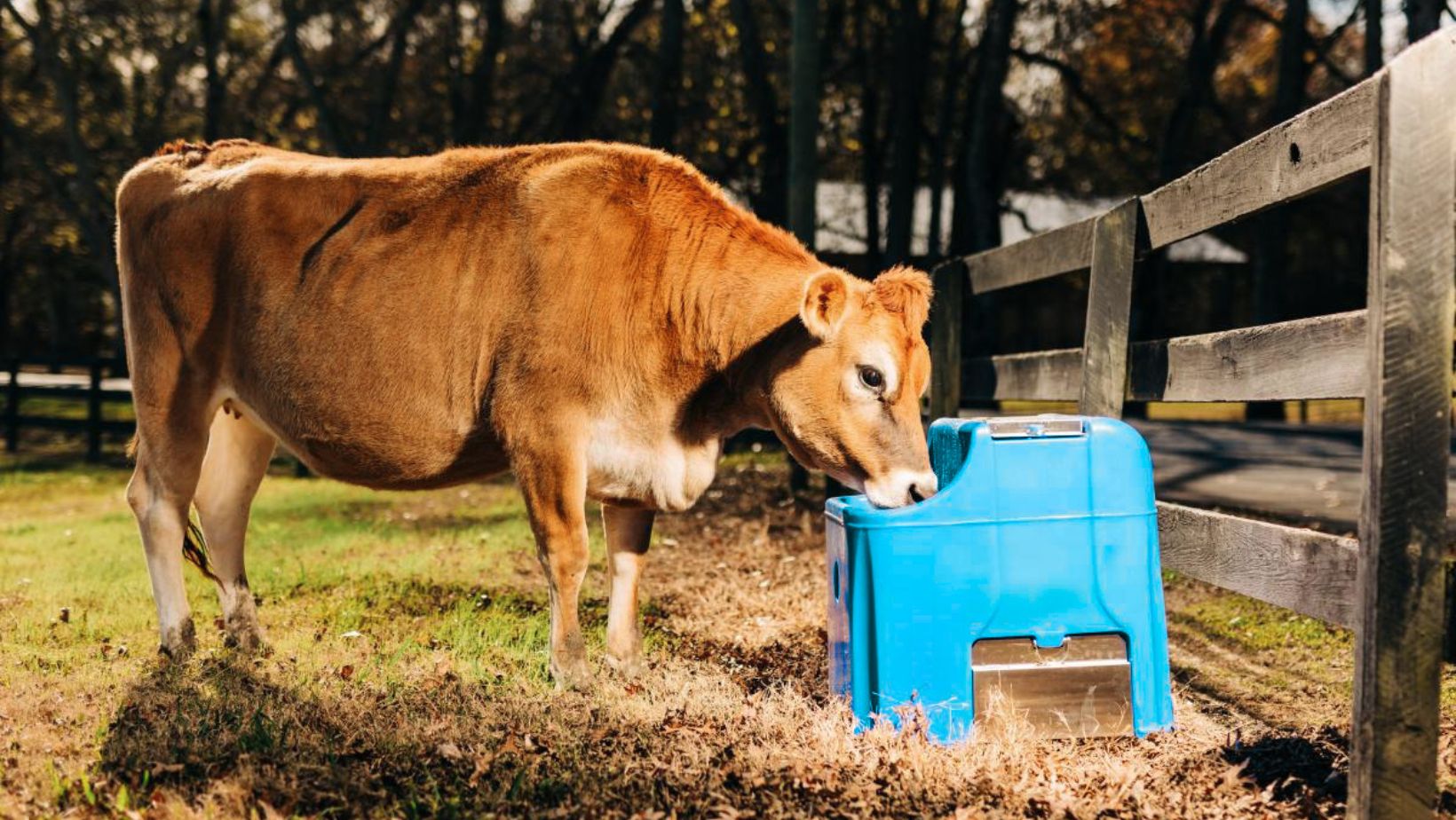
To reduce these challenges, many livestock owners are shifting toward automatic livestock waterers that provide a more controlled and consistent system.
Compared to manual setups, these systems help:
- Maintain steady water levels throughout the day
- Reduce the need for constant refilling
- Limit contamination by enclosing or protecting the water source
- Improve overall cleanliness and water quality
- Reduce water waste caused by tipping or overflow
The goal is not just convenience, but consistency. Animals benefit from reliable access, and owners spend less time managing day-to-day issues.
Benefits of SPI Livestock Waterers
Since every farm setup is different, the right water system depends on your needs. SPI automatic livestock waterers are designed to reduce daily maintenance while improving consistency.
Key advantages include:
- Multiple sizes available, including double bowl options for higher animal traffic
- Insulated designs that help keep water usable longer in both cold and warm conditions
- Electric models with heating options to support winter use
- Large drain plugs that make cleaning faster and more efficient
- Smooth, rounded basins that prevent buildup and simplify maintenance
- Durable polyethylene construction that is food grade, recyclable, and built for long-term use
- Select models include added features like:
- Door systems that reduce contamination and freezing issues
- Encased components for improved safety and durability
- Float-controlled water levels for consistent supply
These features are designed to create a more reliable system while reducing the amount of hands-on work required each day.
Climate and Seasonal Changes Shape Your Entire Setup
Where you live plays a major role in how your livestock operation functions day to day. Climate doesn’t just affect one part of your setup—it influences everything from feeding routines to shelter use, ground conditions, and how much time you spend on maintenance.
In colder regions, challenges often include:
- Frozen ground and snow buildup affecting movement and access
- Increased feed needs as animals burn more energy to stay warm
- Shelter needing proper wind protection and bedding to stay dry
- Equipment that must handle repeated freeze-thaw cycles
- Water sources are exposed to freezing temperatures for extended periods
In warmer or hotter regions, the focus shifts to:
- Heat stress and the need for proper shade and airflow
- Faster spoilage of feed if not stored correctly
- Dry or dusty ground conditions that can impact respiratory health
- More frequent cleaning due to increased bacteria and pest activity
- Water temperatures rise quickly, making it less appealing for animals, and algae and bacteria growth increase
Seasonal changes add another layer. Each part of the year brings different demands:
- Winter requires preparation to keep systems running and animals protected from cold and wind
- Spring often leads to muddy conditions, runoff, and increased wear on high-traffic areas
- Summer increases demand for shade, ventilation, and overall monitoring of animal stress
- Fall is the time to prepare your setup for colder weather and make adjustments before conditions change
What works well in one region—or even one season—may not hold up in another. That’s why planning your setup around your specific environment helps reduce ongoing adjustments and keeps daily routines more manageable.
Shelter Is Not Just About Having a Structure
It’s easy to assume that once a shelter is built, that box is checked. In reality, how a shelter performs matters more than simply having one.
Livestock use shelter differently depending on weather conditions, and poorly designed spaces can create new problems instead of solving them.
What often gets overlooked:
- Ventilation that allows moisture and stale air to build up
- Poor drainage leading to mud and standing water
- Open exposure to wind in colder months
- Limited shade during hot weather
A well-designed shelter should help regulate temperature, keep animals dry, and reduce stress. Positioning also plays a role. Placing shelters in areas that stay dry and offer natural protection from wind can make a noticeable difference.
Rather than thinking of shelter as a structure, it helps to think of it as part of the overall environment you’re creating for your animals.
Not Planning for Daily Maintenance
Even the most well-designed systems require regular upkeep. Skipping routine maintenance can lead to larger problems that take more time and effort to fix.
Common issues include:
- Water sources not being cleaned often enough
- Small equipment problems being ignored until they worsen
- Buildup of dirt, feed, or manure affecting water quality
Establishing a simple, consistent routine helps prevent:
- Contamination that can affect animal health
- Equipment failure that disrupts daily operations
- Increased workload over time
Maintenance doesn’t need to be complicated, but it does need to be consistent.
Poor Farm Layout and Water Access
How your farm is laid out affects more than just how it looks. It directly impacts how animals move, how easily you can complete daily tasks, and how efficiently your entire setup operates.
New livestock owners often build as they go—adding fencing, shelters, and feeding areas where space allows. While that works in the short term, it can lead to a layout that feels disorganized and harder to manage over time.
Some of the most common layout issues include:
- Tight or awkward pathways that make moving animals more difficult
- High-traffic areas that become muddy or worn down quickly
- Feeding, watering, and shelter areas placed too close together, causing congestion
- Limited space for animals to spread out, especially as herd size grows
These challenges don’t just affect efficiency—they can also increase stress within the group and make daily routines more time-consuming than they need to be.
A well-planned layout, on the other hand, makes everything easier. It allows animals to move naturally, reduces bottlenecks, and helps you stay on top of daily tasks without constantly adjusting your approach.
Simple improvements can make a noticeable difference:
- Creating clear movement paths between key areas
- Spacing out high-use zones to reduce crowding
- Positioning structures in areas that stay dry and accessible
- Leaving room for future adjustments as your setup evolves
Even small changes to your layout can improve how your farm functions day to day, making it easier to manage both your time and your livestock.
Not Planning for Growth
Many livestock setups are built around current needs, not future ones. This works in the short term, but it can create limitations as soon as you decide to expand.
What tends to happen:
- Space becomes tight sooner than expected
- Feeding and watering systems struggle to keep up
- Daily routines take longer as more animals are added
Even a small increase in livestock can change how your setup functions. Systems that worked well for a few animals may not scale efficiently.
Planning for growth doesn’t mean overbuilding right away. It means choosing systems and layouts that can adapt over time. This might include:
- Leaving room to expand fencing or shelter areas
- Using equipment that can handle higher capacity
- Designing layouts that won’t need to be completely reworked later
Thinking ahead can save time and prevent the need for constant adjustments.
Final Thoughts
The parts of livestock care that are easiest to overlook are often the ones that affect your day-to-day experience the most.
Water systems, maintenance routines, seasonal planning, and equipment choices all work together. When one piece is overlooked, it tends to create more work elsewhere.
Taking the time to plan these details early doesn’t just support animal health—it makes your operation easier to manage over the long term.
If you’re looking to improve how your livestock water system performs—especially in changing conditions—SPI Plastics offers livestock waterers designed for durability, easy maintenance, and year-round reliability. You can explore our livestock waterer options or get in touch with the team to find a setup that fits your farm.