

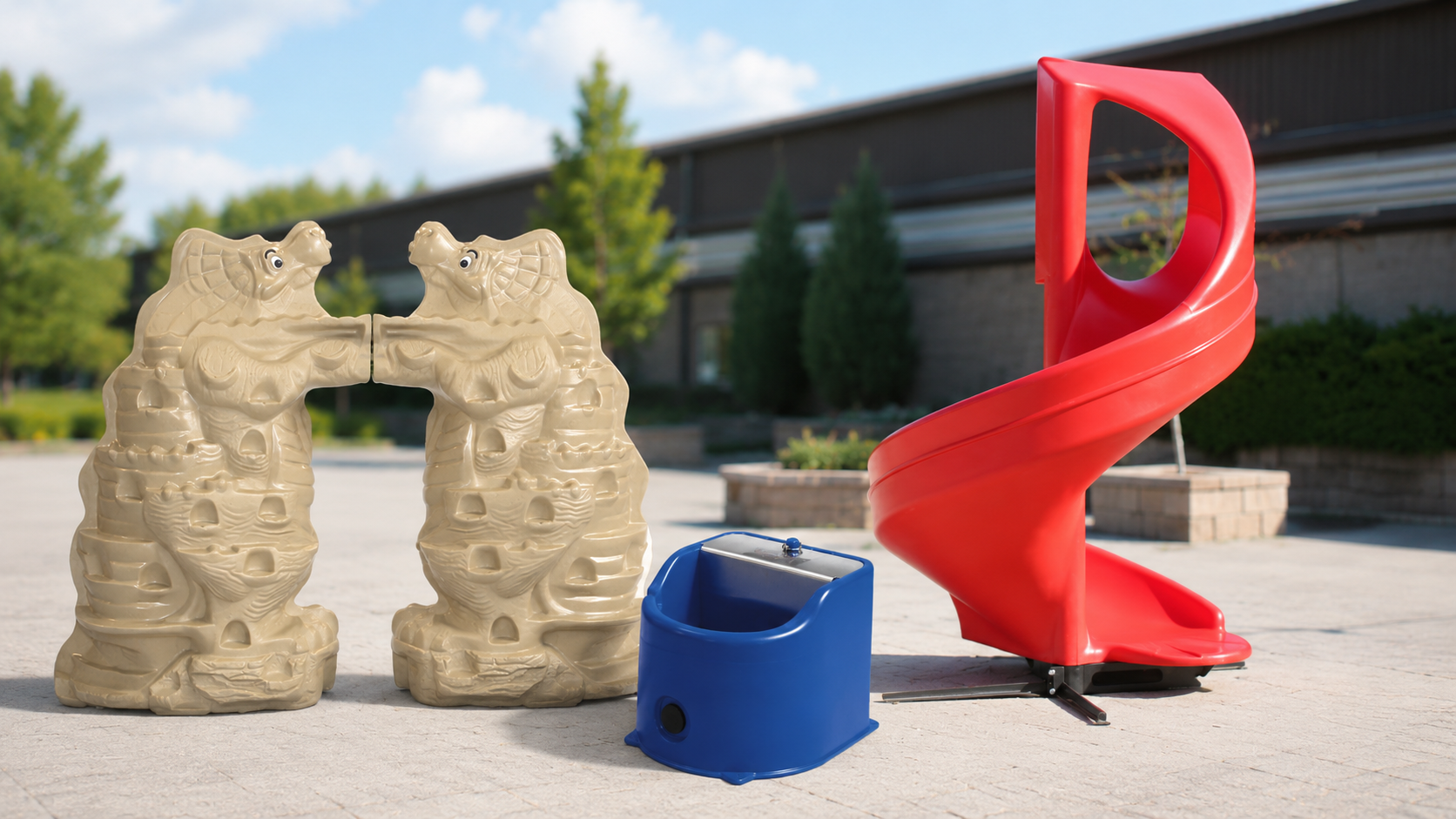
Bringing a new plastic product to life often starts with a simple question. How much will it cost to manufacture? The answer depends on much more than the size of the part. A manufacturer needs to understand what the product does, where it will be used, how many units are needed, and what performance requirements it must meet.
A detailed rotational molding quote considers the complete project, including product design, materials, tooling, order quantities, finishing, testing, and delivery requirements. You don’t always need a finalized design before starting the conversation, but the more information you can provide, the easier it is for the rotational molder to evaluate the project and prepare realistic pricing.
Why Choose Rotational Molding
When you’re planning a plastic product, the manufacturing process you choose can shape everything from the design and tooling costs to the strength of the finished part. Rotational molding is often considered when a product needs to be hollow, durable, relatively large, or made in lower to moderate production volumes.
The process uses a hollow mold filled with a measured amount of plastic resin. As the mold is heated and slowly rotated along multiple axes, the resin melts and coats the interior surface. Once the material has formed the part, the mold is cooled and the finished product is removed.
One of the main advantages of rotational molding is the amount of design flexibility it offers. Depending on the product and application, it can provide:
- Lower tooling costs than some high-volume molding processes
- The ability to produce large hollow parts
- Durable, seamless construction
- Complex shapes and molded-in features
- Consistent wall construction
- Flexibility with product size, shape, and colour
- Practical production options for low- and medium-volume orders
The process may also allow several separate components to be replaced with one molded part. Fewer pieces can mean fewer seams, fasteners, and assembly steps, while also reducing potential weak points in the finished product.
That doesn’t mean rotational molding is automatically the best choice for every plastic product. Production volume, size, tolerances, material requirements, and product features all need to be reviewed. An experienced rotational molder can assess the design and help determine how the process compares with injection molding, blow molding, thermoforming, or plastic fabrication.
What Information Is Needed for a Rotational Molding Quote
Every custom product has different requirements. A simple container may be easier to evaluate than a large industrial component with inserts, multiple openings, and strict performance standards.
Before preparing a quote, the manufacturer will usually review the following details.
Product Drawings or Design Files
CAD files and technical drawings provide the clearest view of the product. They allow the rotational molder to evaluate its dimensions, shape, wall construction, openings, surface features, and overall complexity.
However, you don’t necessarily need a finished CAD file to begin. You may also be able to provide:
- A hand-drawn sketch
- Product photos
- A physical sample
- Basic dimensions
- A rendering or concept image
- Drawings from an existing manufacturing process
Early information can be enough to start a discussion about whether the product is suitable for custom rotational molding. More detailed files will usually be needed before tooling and final production costs can be confirmed.
Dimensions and Wall Thickness
The manufacturer will need the approximate length, width, and height of the product. Product weight and desired wall thickness are also helpful when known.
Larger parts generally require larger molds, more resin, and longer heating and cooling cycles. Wall thickness can also affect material use, strength, production time, and final pricing.
You may not know the exact wall thickness your product needs. That’s normal. An experienced rotational molder can make recommendations based on the product’s shape, intended use, expected loads, and material requirements.
How the Product Will Be Used
One of the most important things you can provide is a clear explanation of what the product needs to do.
The manufacturer may ask questions such as:
- Will the product be used indoors or outdoors?
- Will it be exposed to sunlight or changing temperatures?
- Does it need to hold water, chemicals, food, or another material?
- Will it experience impact, vibration, or heavy loads?
- Does the product need to be flexible or rigid?
- Are there specific safety or performance standards?
Two products with similar dimensions may require very different materials and designs depending on how they are used. A playground component, for example, has different performance needs than an agricultural tank or industrial equipment enclosure.
Explaining the application helps the manufacturer recommend a product design and resin that support long-term performance.
Material Requirements
Polyethylene is commonly used for rotational molding because it can provide durability, impact resistance, and design flexibility. However, different resin grades offer different performance characteristics.
Material selection may depend on:
- UV exposure
- Chemical contact
- Temperature
- Flexibility
- Impact resistance
- Food contact requirements
- Colour
- Expected product lifespan
You should share any material specifications or industry requirements that apply to the product. When you aren’t sure what resin is appropriate, the manufacturer can review the application and recommend suitable options.
Expected Production Quantities
Order volume is another major part of a rotational molding quote. The manufacturer will typically want to know the size of the first order and the estimated number of units you may require each year.
You don’t need to provide an exact number if demand is still being evaluated. A realistic range can still be useful.
Rotational molding is often considered for low- to medium-volume plastic product manufacturing, particularly when the product is large, hollow, or difficult to produce using another process. Expected quantities can influence per-unit pricing, production planning, material purchasing, and tooling decisions.
Tooling Requirements
Most new rotational molding projects require a custom mold. Tooling costs will depend on the part’s size, complexity, shape, surface texture, and production requirements.
The manufacturer will also need to know whether:
- A new mold must be created
- An existing mold is available
- The mold needs repairs or modifications
- Multiple parts must be produced
- Inserts or moving mold components are required
Tooling is generally treated as an upfront project cost, while production is priced by part or production run. A clear quote should explain how these costs are divided.
Inserts and Additional Components
Rotational molding can often incorporate features that reduce later assembly. Threaded inserts, brackets, drain fittings, handles, and reinforcement components may be molded into the part or installed afterward.
Any additional components should be discussed during the quoting stage. The manufacturer needs to determine how they will be held in position, whether they affect mold design, and how much labour is required.
These details may seem small, but they can have a noticeable effect on tooling and production costs.
Colour and Surface Finish
The appearance of the final product should also be included in your project information.
Share any requirements related to:
- Standard or custom colours
- Colour matching
- Surface texture
- Gloss level
- Molded logos
- Graphics or labels
- Branding elements
Custom colours may require minimum material quantities. Textures and molded-in details can also affect how the mold is manufactured.
Secondary Operations and Assembly
A rotationally molded part may require additional work after it is removed from the mold. This could include trimming, drilling, cutting openings, welding, foam filling, installing hardware, assembling components, or applying labels.
Be clear about how complete the product needs to be when it arrives. Are you looking for a molded part only, or do you need a finished product that is assembled and ready for distribution?
Project Timeline
Let the manufacturer know when you hope to receive prototypes, production samples, and finished products.
A custom rotational molding project may include design reviews, tooling, testing, approvals, and production scheduling. Material availability and mold complexity can also affect the timeline.
Providing your preferred delivery date allows the manufacturer to determine whether the schedule is realistic and identify any steps that need to be prioritized.
What Products Can Be Made With Rotational Molding
Rotational molding is used across a wide range of industries because it works well for durable, hollow, and complex plastic products.
Common product examples include:
- Water and chemical tanks
- Waste and recycling containers
- Material handling bins
- Industrial enclosures
- Equipment housings
- Traffic barriers
- Agricultural feeders
- Fuel tanks
- Coolers
- Kayaks and recreational products
- Playground components
- Outdoor furniture
- Planters
- Dock floats
- Custom plastic parts
Can You Request a Quote Without a Finished Design?
You can often begin discussing a rotational molding project before the design is complete.
A concept sketch, existing sample, basic drawing, or description of the product may be enough for an initial review. The manufacturer can then identify what information is still needed and flag potential design concerns.
At this stage, any pricing may be preliminary. Final costs can change as dimensions, wall thickness, materials, tooling, and production requirements become clearer.
Starting early can still be valuable. The manufacturer may be able to suggest design changes that improve mold release, material distribution, durability, production consistency, or overall cost.
Start Planning Your Rotational Molding Project
A reliable quote starts with a clear understanding of the product and what it needs to achieve. Drawings and dimensions are important, but the manufacturer also needs to know how the product will be used, how many units are required, what materials may be suitable, and what finishing or testing is involved.
You don’t need to have every detail worked out before reaching out. Sharing your concept early gives the rotational molder an opportunity to evaluate the idea, identify missing information, and recommend practical next steps.
SPI Plastics provides custom rotational molding services for businesses developing durable plastic products across a range of applications. Our team can review your drawings, samples, or initial concept, help determine whether rotational molding is the right fit, and guide you through concept to completion.
Contact SPI Plastics to discuss your product and request a custom rotational molding quote.