

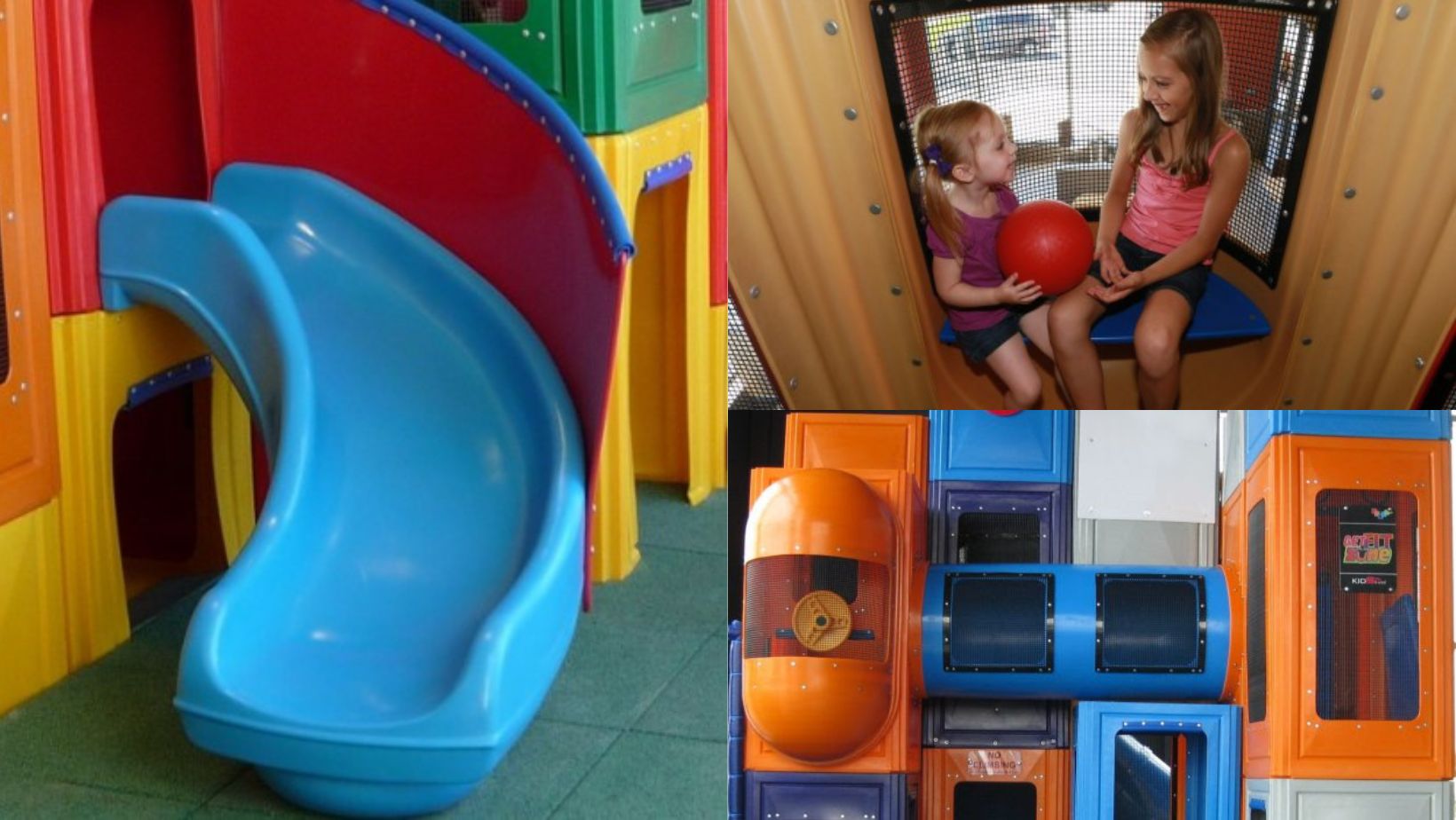
Children’s play needs change quickly as they grow. A feature that feels exciting to a toddler may be too simple for an eight-year-old, while equipment designed for older children can feel intimidating or even unsafe for younger users.
Choosing the right indoor playground equipment for different age groups helps create a space where children can explore, build confidence, and stay engaged. It can also improve supervision, reduce congestion, and help families get more value from every visit.
The right equipment depends on more than age alone. Physical abilities, confidence levels, available space, expected capacity, and the type of facility all need to be considered. Understanding these factors can help you create a commercial indoor playground that works well for both children and the adults supervising them.
Why Age Matters When Choosing Indoor Playground Equipment
Age affects how children move, solve problems, interact with others, and respond to physical challenges. Younger children are still developing balance and coordination, while older children are often ready for more height, speed, and complexity.
Playground equipment that is too advanced may be frustrating or difficult to use. On the other hand, a playground filled with basic features may not hold an older child’s attention for long.
Age ranges should be used as a planning guide rather than a strict measure of ability. Children develop at different rates, so a strong indoor playground design usually provides a variety of challenge levels. This gives users more freedom to explore features that match their confidence and abilities.
Choosing Indoor Playground Equipment by Age Group
Children’s abilities, interests, and confidence levels change as they grow. The right equipment should provide an appropriate level of challenge while supporting movement, exploration, and social play. Although every child develops differently, these age-based considerations can help guide the overall playground design.
Indoor Playground Equipment for Toddlers
Toddler areas should make movement, exploration, and supervision easier. Most features should be close to the ground and simple enough for children to understand without complicated instructions.
Suitable toddler playground equipment may include:
- Short slides
- Crawl tunnels
- Gentle ramps
- Wide steps
- Low climbing features
- Activity panels
- Simple pretend-play elements
Toddlers often learn through touch, repetition, and movement. Sensory panels, easy-to-reach interactive features, and small tunnels can keep them engaged without overwhelming them.
Visibility is also important. Parents, caregivers, and staff should be able to see most of the toddler area without constantly moving around the playground. Avoid placing toddler features near the exit of a fast slide or beside a route used by older, more active children.
Indoor Playground Equipment for Preschool Children
Preschool-aged children are usually ready for more movement and variety. They may enjoy climbing, balancing, crawling through connected structures, and using equipment as part of imaginative games.
Preschool playground equipment can include:
- Small bridges
- Slightly taller slides
- Connected tunnels
- Climbing steps
- Interactive panels
- Playhouses
- Steering wheels and themed features
At this stage, children are developing confidence and beginning to play more socially. Equipment that encourages pretend play, cooperation, and shared exploration can be a valuable addition.
The layout should give children clear ways to move through the playground. Providing more than one route through a structure can reduce lineups and prevent children from becoming stuck behind slower users.
Equipment for Younger School-Aged Children
Younger school-aged children often want more choice and physical challenge. They may be ready for taller structures, more complex climbing features, longer slides, and play routes that require planning.
Good options may include:
- Multi-level structures
- Overhead play features
- Taller or curved slides
- Climbing walls
- Balance elements
- Obstacle-style routes
- Multiple pathways through one structure
Variety becomes especially important for this age group. A playground that combines climbing, crawling, balancing, and sliding gives children different ways to use the same space.
It’s also helpful to include features with varying levels of difficulty. A child may begin with an easier route and gradually try more challenging elements as their confidence grows. This can make repeat visits more engaging.
Indoor Playground Equipment for Older Children
Older children usually look for play experiences that feel challenging rather than overly simple. They may enjoy speed, height, competition, and equipment that lets them test their coordination or problem-solving skills.
Playground equipment for older children could include:
- Advanced climbing features
- Taller play structures
- Longer slides
- Challenging obstacle routes
- Multi-level pathways
- Group activities
- Features that offer more than one level of difficulty
The visual design matters as well. Colours and themes that feel suitable for toddlers may not appeal to older children. More adventurous themes, bold brand colours, or balanced colour combinations can help the space feel appropriate for a wider age range.
Repeat play should also be considered. Structures with multiple pathways, hidden connections, and several activity types are more likely to remain interesting than a playground built around one main feature.
How to Design an Indoor Playground for Mixed Age Groups
Many facilities serve families with children of several ages. In these spaces, simply placing all the equipment together may lead to congestion and make supervision more difficult.
A mixed-age playground usually works best when it includes separate but visually connected zones. Toddler areas can be distinguished through lower equipment, different flooring, barriers, or a unique colour scheme. Older children can use taller and more active sections nearby.
When planning indoor playground equipment for mixed age groups, pay attention to how children enter and leave each area. A toddler zone should not sit directly beside the bottom of a fast slide or along a busy route through the playground.
Shared features can still be included. Activity panels, imaginative elements, and open play features may appeal to several age groups. The key is making sure that each group also has equipment designed around its own abilities and interests.
Additional Considerations for Choosing Age-Appropriate Playground Equipment
Choosing equipment for different age groups also requires looking at how the playground will function as a whole. The facility’s audience, available space, colour plan, expected use, and long-term needs can all influence which age groups the playground serves and how their play areas are designed.
Consider How the Facility Will Be Used
Age-appropriate playground equipment should also match the needs of the business or organization.
For example, a daycare may primarily need lower equipment for toddlers and preschool children. A family entertainment centre might require larger structures that can accommodate several age groups at once. A restaurant or car dealership may need a compact playground that keeps children engaged during a shorter visit.
Before selecting equipment, consider:
- The ages that visit most often
- How long children usually stay
- The number of children expected at one time
- How closely adults will supervise
- The amount of available floor space
- The facility’s overall purpose
The most visually impressive structure is not always the most practical choice. Equipment should support the way the space will actually be used each day.
Choose Equipment That Fits the Available Space
An effective indoor playground starts with accurate measurements. Floor area is important, but ceiling height, columns, windows, doors, and building systems can also affect the design.
Take note of:
- Emergency exits
- Support columns
- Sprinklers
- HVAC systems
- Lighting
- Seating areas
- Check-in counters
- Washrooms
- Party rooms
Custom indoor playground equipment can make better use of unusual layouts, low ceilings, corners, and narrow rooms. Instead of forcing standard components into the space, a custom design can be planned around the building.
Avoid filling every available area with equipment. Children and supervising adults still need enough room to move comfortably between play zones.
Use Custom Colours to Define the Space
Colour does more than make a playground look exciting. It can help separate age groups, reinforce a theme, and connect the equipment to the facility’s branding.
A business may choose colours to match its logo, interior design, or existing customer areas. Different colour combinations can also help visitors recognize where the toddler section ends and the older children’s area begins.
Try to create a coordinated palette rather than using every bright colour available. A more intentional colour plan can make a large playground feel organized while still keeping it energetic and inviting.
Plan for Long-Term Use
Commercial equipment should be selected with frequent use, maintenance, and future needs in mind. Consider how easy it will be to inspect, clean, repair, or replace individual parts.
You may also want to leave room for expansion. Modular equipment can make it easier to add new components or update part of the playground without replacing the entire structure.
Ask the manufacturer about replacement parts, customization options, and ongoing product support before finalizing your design. Planning ahead can make future updates much easier.
Create an Indoor Playground That Works for Every Age
Choosing the right equipment is about more than filling a space with fun features. A well-designed playground considers how children move, build confidence, interact with others, and take on new challenges at different stages of development. When the equipment, layout, and age zones are planned together, the result is a space that feels more engaging, easier to supervise, and better suited to the families using it.
SPI Plastics brings practical design and manufacturing experience to every project. We can help you select and customize indoor playground equipment based on your target age groups, available space, and preferred colours. Contact SPI Plastics to start planning a playground that works for your business and the children it serves.
Frequently Asked Questions About Indoor Playground Equipment for Different Age Groups
Can One Indoor Playground Serve Multiple Age Groups?
Yes. A playground can serve several age groups when it includes separate zones, varied challenge levels, and a layout that reduces conflicts between younger and older children.
How Do You Separate Age Groups in an Indoor Playground?
Equipment height, flooring, barriers, entrances, layouts, and colour schemes can all help define different play zones.
Can Indoor Playground Equipment Match a Company’s Colours?
Custom equipment can be made in colours that coordinate with a company’s branding, facility design, or chosen theme. Colour can also be used to identify different age-based sections.
What Information Does a Playground Manufacturer Need?
Manufacturers may ask for room dimensions, ceiling height, expected age groups, capacity, preferred equipment, colour choices, budget, and the desired project timeline.