

 Launching an indoor playground business is an exciting opportunity in a growing, family-focused industry. But one of the first—and most important—questions entrepreneurs face is how much space they actually need to get started.
When planning your space, it’s important to think beyond just the play equipment. A successful indoor playground includes multiple elements—play areas, seating, party rooms, and more—all working together to create a complete experience for families.
In this guide, we’ll break down the key factors that influence your space requirements, explore typical size ranges, and help you plan a facility that supports both customer experience and long-term growth.
Why Space Planning Matters for an Indoor Playground Business
Choosing the right amount of space isn’t just about fitting in equipment—it’s about building a functional and enjoyable environment for your customers.
A well-designed indoor playground facility allows for smooth traffic flow, clear visibility for supervision, and a comfortable experience for families. It also creates opportunities to increase revenue through features like birthday parties, memberships, and food service.
On the other hand, a poorly planned space can feel overcrowded, limit your offerings, and create operational challenges. Taking the time to properly plan your space sets the foundation for a successful business.
Key Factors That Determine How Much Space You’ll Need
Every indoor playground business is different, and your space requirements will depend on several important factors.
Target Age Groups
The age range you plan to serve has a direct impact on your space needs.
Toddler areas are typically smaller and require simpler, low-height equipment. Older children need larger, more complex structures and more room to move.
If your facility caters to multiple age groups, you’ll likely need separate zones, which increases your total space requirements.
Type of Indoor Playground Equipment
The kind of equipment you choose will significantly influence how much space you need.
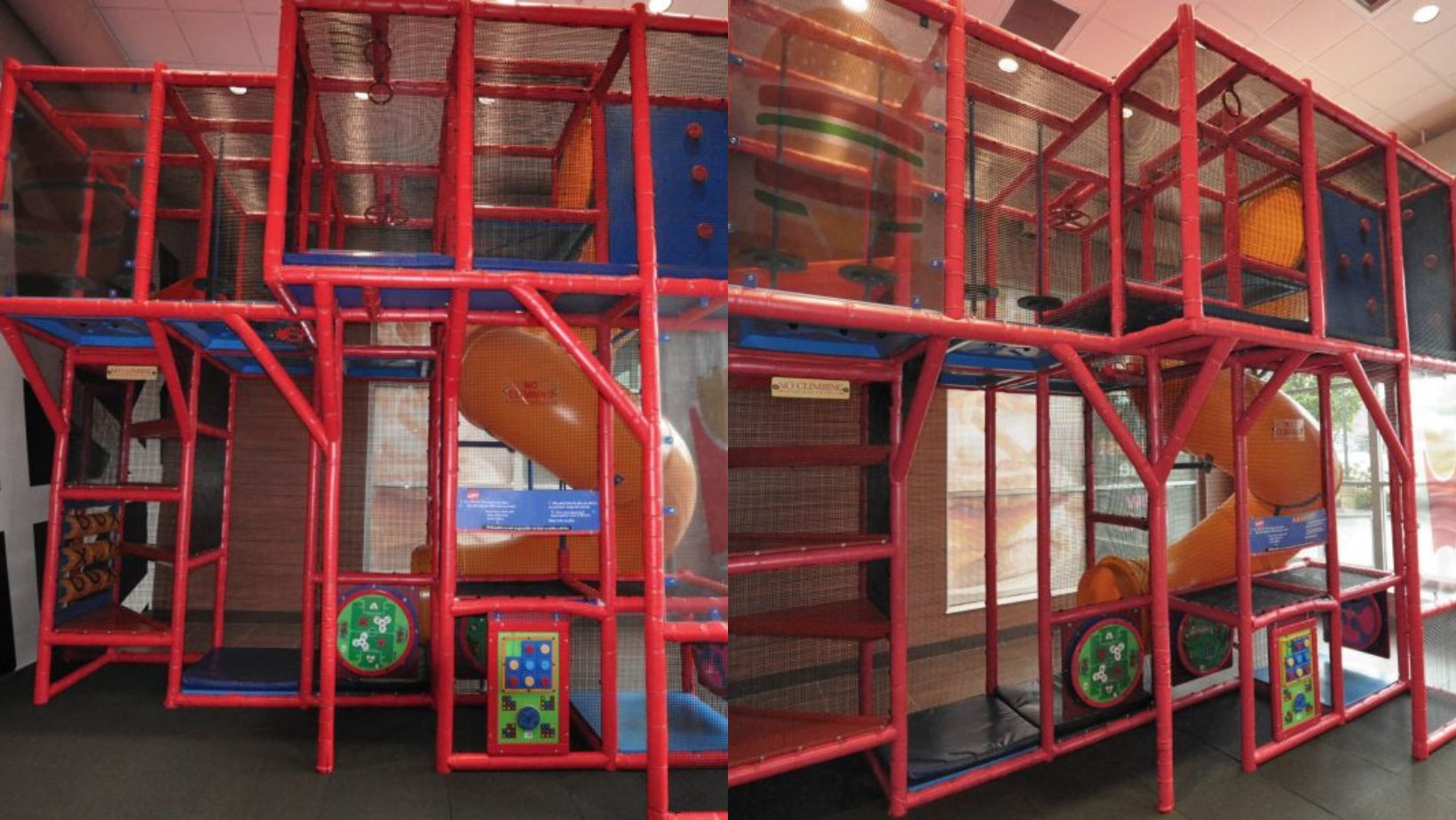
Large multi-level play structures, climbing walls, slides, and obstacle courses require more square footage than compact or modular play elements. Custom-designed playgrounds may also require additional room depending on their layout and features.
Planning your equipment early helps ensure your space can accommodate your vision.
Expected Capacity
How many children and families do you expect during peak hours?
A smaller facility may work well for a niche audience or lower traffic, but if you anticipate high demand, you’ll need enough space to prevent overcrowding and maintain a positive customer experience.
Comfort is key—parents are more likely to return if the space feels open, safe, and easy to navigate.
Additional Amenities
An indoor playground is more than just play equipment.
Many successful facilities include:
- Party rooms
- Seating areas for parents
- Reception and check-in areas
- Retail or merchandise displays
Each of these elements requires space and should be factored into your overall plan.
Layout and Traffic Flow
Even with enough square footage, poor layout can create bottlenecks and congestion.
You’ll need space for walkways, clear sightlines for supervision, and proper spacing between equipment. Planning for flow ensures a better experience for guests and staff alike.
How Much Space Do You Actually Need for an Indoor Playground?
Most indoor playground businesses require between 1,500 and 20,000+ square feet to accommodate play areas, seating, and essential amenities. Smaller facilities can operate successfully in more compact spaces, while larger locations are designed to support higher capacity and a wider range of features.
The exact amount of space you need depends on your concept, target audience, and long-term goals.
Small Indoor Playground (800 – 3,000 sq ft)
This size is ideal for:
- Niche concepts or toddler-focused play areas
- Smaller communities or urban locations
- Entrepreneurs starting with a lower initial investment
A smaller facility can still deliver a great experience with the right design and equipment. It may include a compact play structure, limited seating, and minimal additional amenities.
You don’t need to start with a large facility to be successful. Many indoor playground businesses begin with a smaller space that aligns with their budget and demand. As your business grows, you can expand your offerings and move into a larger location.
Medium Indoor Playground (3,000 – 10,000 sq ft)
This is one of the most common sizes and offers a balanced setup.
It typically allows for:
- A larger multi-level play structure
- Separate zones for different age groups
- Party rooms and seating areas
- Greater flexibility in layout
This size works well for businesses looking to attract consistent traffic and offer a variety of experiences.
Large Indoor Playground (10,000 – 20,000+ sq ft)
Larger facilities are designed to be full-scale destinations.
They often include:
- Multiple play zones
- Advanced equipment and attractions
- Dedicated party and event spaces
- Expanded seating and food service areas
These facilities can accommodate higher volumes of visitors and create a more immersive experience, but they also require more planning and resources.
Ultimately, the “right” size depends on your business model, target audience, and long-term vision. Starting with a space that fits your current needs—and allows room for growth—is often the smartest approach.
Space Allocation Breakdown (What Goes Where?)
Once you’ve determined your overall square footage, the next step is deciding how to use it effectively.
Play Area (50–70% of Total Space)
This is the heart of your indoor playground.
It includes:
- Main play structures
- Open play zones
- Toddler areas
The majority of your space should be dedicated to play, as this is your primary attraction.
Seating & Parent Areas
Parents need a comfortable place to relax while supervising their children.
Seating areas should offer:
- Clear visibility of play zones
- Easy access to entrances and exits
- Enough space to avoid crowding
Party & Event Rooms
Birthday parties and private events are a major revenue driver.
These rooms should be:
- Separate from the main play area
- Easy to access
- Flexible for different group sizes
Reception & Entry Area
Your entry area plays a key role in the customer experience.
This space should allow for:
- Smooth check-in and check-out
- Queue management during busy times
- Storage for waivers, wristbands, or merchandise
Café or Food Area
Many indoor playgrounds include a café or snack area, which can enhance the customer experience and create additional revenue.
This space can range from:
- A small snack bar with drinks and packaged food
- To a more developed café offering coffee, light meals, and seating
Including a food area encourages families to stay longer and return more often.
Storage & Staff Areas
These are often overlooked but essential for daily operations.
You’ll need space for:
- Cleaning supplies
- Equipment storage
- Staff breaks and administrative tasks
How Ceiling Height Impacts Your Indoor Playground Space
Square footage is only part of the equation—vertical space matters just as much.
Many indoor playground structures are designed to extend upward, making ceiling height a critical factor.
In general:
- Lower ceilings (under 10 feet) limit your equipment options
- Higher ceilings (12–20+ feet) allow for multi-level structures and more engaging play experiences
Maximizing vertical space can help you get more value out of a smaller footprint.
Tips for Maximizing Your Indoor Playground Space
No matter the size of your facility, smart design can make a big difference.
- Use vertical space to add more play value without increasing your footprint
- Create defined zones for different age groups and activities
- Avoid overcrowding equipment—less can be more when it comes to flow
- Design for visibility so parents and staff can easily supervise children
- Plan for growth by leaving room for future additions or reconfiguration
Common Mistakes to Avoid When Planning Your Space
Even experienced entrepreneurs can run into challenges when planning their layout. Here are a few common pitfalls to watch for:
- Underestimating how much space you’ll need
- Ignoring traffic flow and creating bottlenecks
- Forgetting to allocate space for non-play areas
- Choosing a location with insufficient ceiling height
- Overloading the space with too much equipment
Avoiding these mistakes early can save time, money, and frustration down the road.
Choosing the Right Space for Your Indoor Playground
There’s no universal answer to how much space you need for an indoor playground—and that’s a good thing.
The ideal size depends on your goals, your audience, and the experience you want to create. Whether you’re starting small or planning a large-scale facility, thoughtful space planning is key to building a successful and sustainable business.
By focusing on smart design, efficient layout, and future growth, you can create an indoor playground that not only fits your space—but stands out in your market.
Ready to bring your indoor playground vision to life? SPI Plastics works with you to design a playground that fits your space, aligns with your goals, and delivers an exceptional experience for every guest.
Contact us today to get started on creating a one-of-a-kind indoor playground that will attract and delight families for years to come!