

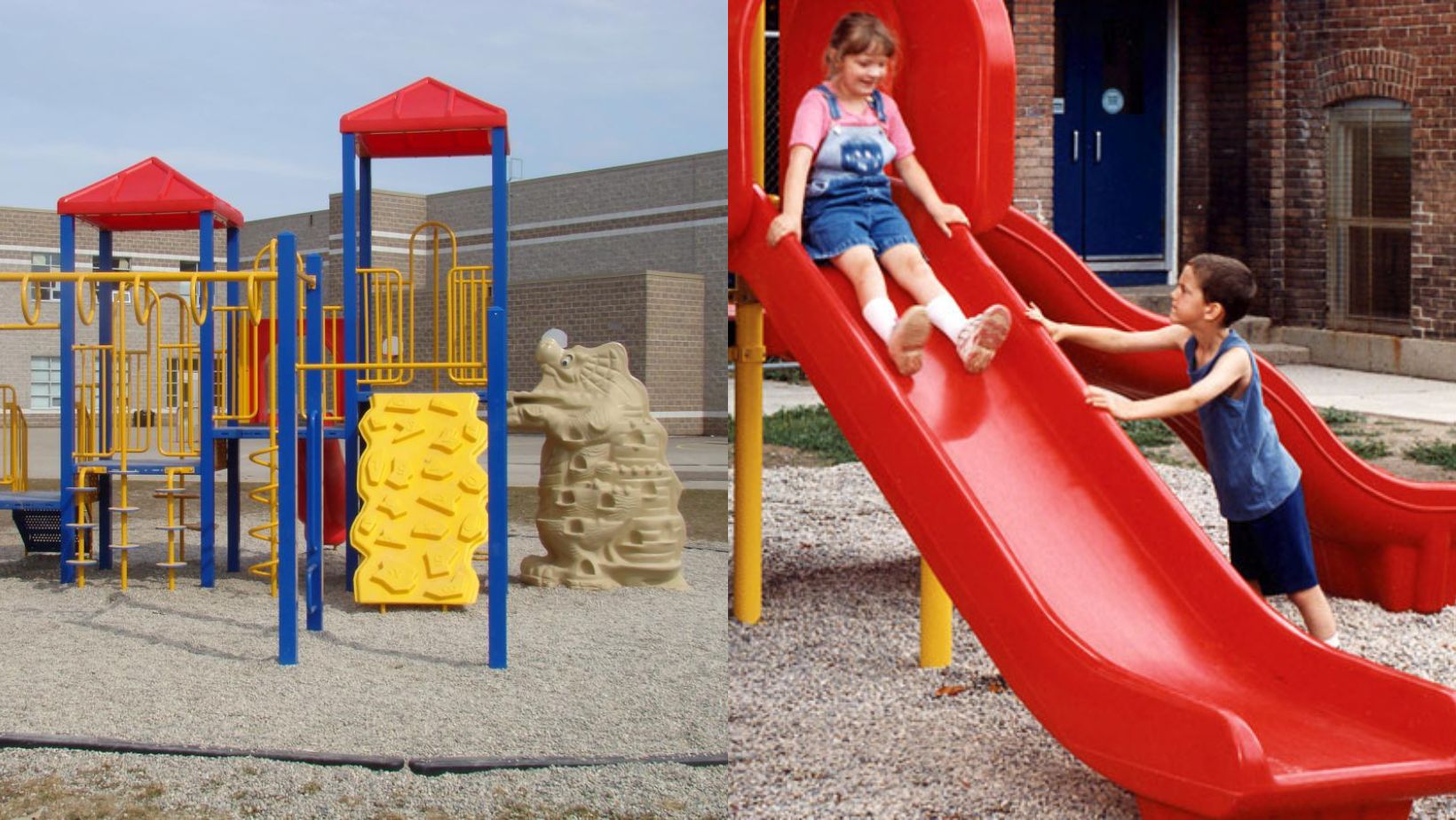
Playgrounds rarely wear out all at once. A slide may need replacing while the decks and supporting structure remain sound. A once-popular play area may still be safe but no longer offer enough variety for the children using it. Fortunately, you can often expand an existing playground without removing everything and beginning again.
A successful playground expansion starts with a careful assessment of what you already have. From there, you can replace selected components, add compatible equipment or create a new play zone that complements the original structure. This approach can extend the life of the playground while making better use of your available space and budget.
Start With a Condition and Safety Assessment
Before selecting new equipment, take a close look at the existing playground. Inspect the decks, slides, climbers, tubes, panels, hardware and supporting structures for signs of damage or excessive wear.
Fading alone may not affect performance, but cracks, loose connections, corrosion, damaged fasteners and worn surfaces require closer attention. Maintenance records can also help you identify components that have needed repeated repairs.
For playgrounds in regions with cold winters, seasonal conditions deserve particular attention. Freeze and thaw cycles, moisture and temperature changes can affect equipment, surfacing and the surrounding site. A qualified playground inspector can help determine which features remain suitable for continued use and which need to be repaired or replaced.
Document the assessment with photographs, measurements and notes. This information will be valuable when you begin discussing new components with an equipment manufacturer.
Decide What the Expanded Playground Needs
Adding more equipment is not automatically the same as improving the playground. Start by identifying what the current space is missing.
Perhaps the playground has become too busy during recess. It may serve younger children well but offer little challenge for older kids. You might want to introduce more climbing, imaginative play, sensory activities or accessible ground-level features.
Think about the people who use the space and what they need from it. Schools can gather input from teachers and students, while municipalities and daycare operators may want feedback from staff, caregivers and families. Clear goals make it easier to upgrade existing playground equipment in a way that adds genuine play value.
Evaluate the Space Around the Existing Equipment
An open patch of ground may appear to be the obvious location for new equipment, but the entire playground layout should be considered.
Measure the site and account for equipment clearances, safety surfacing, circulation routes and nearby features. Children need enough room to move naturally between activities without running through the use zones of swings, slides or climbers. Staff and caregivers also need clear sightlines across the space.
Site conditions matter as well. Drainage, slope, sun exposure, shade and surrounding vegetation can all influence where equipment should go. The expansion may require additional surfacing or changes to pathways. Access for deliveries and installation work should also be considered early in the process.
Choose the Right Approach to Expansion
There are several ways to add equipment to an existing playground. The best option will depend on the condition of the current structure, available space and the goals of the project.
Add Compatible Components
A structurally sound playground may be able to support new slides, climbers, crawl tubes, activity panels, roofs or transition components. This can introduce new activities while preserving much of the original structure.
Compatibility involves more than choosing a component that looks right. Deck heights, mounting patterns, connection points, clearances and structural requirements must all align. From a manufacturing perspective, accurate measurements and product information are essential. Never assume that a component will fit simply because it appears similar to the original.
Replace Selected Features
Replacement playground components can refresh the experience without changing the entire layout. An underused panel could be exchanged for a more interactive activity, or a worn slide could be replaced with another style that suits the same deck height.
Selective replacement is also an opportunity to improve the balance of activities. If the existing structure has several slides but limited climbing options, a new climber may provide more value than another slide.
Create a Separate Play Zone
Attaching equipment to the original structure is not always practical. In that case, a freestanding feature or separate play area may be the better choice.
A new zone can serve toddlers, older children or users with different abilities. It can also reduce congestion around the main structure. The original and new areas should still feel connected through their pathways, colours and overall design.
Use the Expansion to Improve Accessibility
An outdoor playground renovation is a good opportunity to make the space more welcoming for children with different needs and abilities.
Accessible routes, adaptive swing seating, ground-level activity panels and features with varied levels of challenge can help more children participate. Accessibility should feel integrated into the playground rather than confined to one isolated section.
Consider different forms of play as well. Not every child wants the same level of physical activity. Sensory, social and imaginative features can provide meaningful choices alongside slides and climbers.
Confirm Safety and Compatibility Before Ordering
Any new component must work safely with the existing playground and be appropriate for its intended age group. Confirm deck heights, use zones, connection points, surfacing requirements and structural limitations before placing an order.
Installation should follow the manufacturer’s instructions, and the completed work may require inspection before the playground reopens. Keep product documents, installation information and inspection records with the playground’s maintenance files.
These steps do more than support compliance. They help protect the people using the playground and reduce the likelihood of compatibility problems or unexpected changes during installation.
Plan the Project in Manageable Phases
You don’t have to complete every improvement at once. A phased playground expansion can make a larger project easier to manage financially.
Start with safety concerns and improvements that will have the greatest effect on how children use the space. Equipment, surfacing, site preparation, freight and installation should all be included in the budget.
Each phase should also support the long-term plan. Knowing where a future climber, play panel or separate structure may go can prevent today’s improvements from limiting tomorrow’s options.
Gather the Right Information Before Requesting Equipment
When you’re ready to discuss an expansion, provide as much information about the existing playground as possible. Helpful details include:
- Site photographs and overall measurements
- Drawings or plans for the existing structure
- Component and deck dimensions
- The original manufacturer when known
- Intended age groups
- Preferred activities and project goals
- Site access or installation restrictions
- Approximate budget and timeline
This information helps the manufacturer assess possible connections, identify suitable products and determine if a custom solution may be required.
Give Your Existing Playground More to Offer
You don’t need to replace every component to create a safer, more engaging and versatile play space. A clear understanding of the existing equipment, thoughtful component selection and careful planning can help extend the playground’s useful life while addressing the needs of its users.
If you’re ready to explore new additions or have questions about compatible playground components, contact SPI Plastics. Our team can help you review your project requirements and find durable outdoor playground equipment that works with your plans.